

The way we make content is changing in a big way. Content creation is transitioning from a manual process to a collaborative effort between human intuition and machine intelligence. It’s not that robots will take over writing; it’s that writers will have robotic superpowers.
The Best AI tools for content creation for making content are the ones that know the big picture, the little details, and what you want to achieve. They are the co-pilots who do the hard work of research, brainstorming, and initial drafting, so you can focus on strategy, storytelling, and adding that special human touch—the emotion, the experience, and the unique perspective that makes content really resonate.
This revolution is made possible by improvements in Natural Language Processing and Machine Learning, which let these tools make text that is more coherent, relevant, and even creative. These tools aren’t just convenient for marketers, bloggers, and businesses—they’re essential for staying ahead of the competition.
Using these tools correctly means making more content without losing quality, tailoring messages to each person, and connecting with your audience faster than ever before. Stop thinking of AI as a threat and start thinking of it as the best helper you’ve ever hired.
What Makes an AI Tool “The Best”?
When we discuss the best AI tools for making content, we’re not just looking at a list of features. A tool that is truly the “best” is one that fits right into your workflow, understands your brand’s voice, and boosts your creativity instead of stifling it.
You should feel like you are working together. Key factors include the quality of the output (is it fluff or substance?), the ability to customize it (can you teach it your style?), the ability to integrate it with other software (does it work well with your tools?), and most importantly, the learning curve. The best tool is the one you’ll use regularly to produce better work, faster.
The Human-AI Collaboration: A Symbiotic Relationship

The most successful content creators of the future will be those who master the symbiosis of human and artificial intelligence.
You could say that the AI is like a smart, quick intern who can look up anything and write a thousand different versions in seconds. You are the experienced editor, the planner, and the storyteller. You provide the vision, emotional intelligence, moral compass, and final touches.
This is where the magic happens when humans and AI work together. You tell the AI what to do, and it gives you the materials you need to make a masterpiece. This partnership is what makes modern AI-powered writing assistants so powerful.
Avoiding Pitfalls: Ethics and Authenticity
To avoid the pitfalls, you need to be ethical and stay true to yourself. AI can make you lose your unique voice and create generic, repetitive content that floods the internet.
Ethics is another major concern. Copying and pasting AI-generated content verbatim is not only lazy but also risks inaccuracy and a lack of originality. Always use AI output as a first draft, a source of ideas, or a framework.
Add your own stories, opinions, and data to make the content authentic. Check your facts thoroughly. People want to connect with a human, not a machine. Your superpower is authenticity—AI is just a tool.
AI-Powered Writing Assistants: Your New Creative Partner
These tools are the foundation of AI content creation. They help you write everything from emails and blog posts to ads and product descriptions.
The best AI writing assistants do more than correct grammar—they help you generate ideas, refine tone, and overcome writer’s block. They’re like having an intelligent, tireless brainstorming partner by your side.
Real Experience with AI Writing
I had a major breakthrough when I was assigned to craft 10 unique meta descriptions for nearly identical service pages. It was repetitive and exhausting work. Then I used one of these AI helpers. What would have taken me an hour took just 10 minutes—with creative variations I hadn’t even thought of. It didn’t write for me; it wrote with me, sparking new ideas and keeping me sane.
Jasper: The All-Rounder for Marketing Teams
Jasper (formerly Jarvis) became extremely popular for a reason. It’s one of the most advanced AI copywriting tools trained specifically for marketing content.
Its “Boss Mode” lets you create long-form pieces like blog posts and reports simply by giving commands. For instance, “Write a paragraph about the benefits of solar energy in a friendly tone.” It delivers impressively natural results.
With over 50 templates—ranging from AIDA frameworks to Facebook ad headlines—and the ability to learn your brand voice through a “Knowledge Base” upload, Jasper ensures consistent, high-quality output across all platforms.
Copy.ai: The Free-Tier Champion for Quick Content
If you’re new to AI, Copy.ai is an excellent place to start. Its free plan is generous and perfect for short-form content like social media posts, blog ideas, and email subject lines.
The interface is simple and intuitive, built around “Workflows” that guide you step-by-step through content creation. While it may not be ideal for long-form writing, it excels at generating ad variations or catchy Instagram captions quickly and easily.
Writesonic: The SEO-Optimized Powerhouse
Writesonic is a direct competitor to Jasper but with a stronger built-in focus on SEO. Its standout feature, SonicEditor, gives you a Google Docs–like writing experience powered by AI.
More importantly, it integrates with Surfer SEO, enabling real-time optimization for specific keywords. For bloggers and content marketers aiming for high search rankings, Writesonic is one of the best tools for producing content that both readers and Google love.
Quick Comparison of Top AI Writing Assistants
| Feature | Jasper | Copy.ai | Writesonic |
|---|---|---|---|
| Best For | Marketing Teams, Long-Form Content | Short-Form Content, Entrepreneurs | Bloggers, SEO Content |
| Standout Feature | Boss Mode, Brand Voice | Easy Workflows | Surfer SEO Integration |
| Pricing | Credits-Based | Free + Paid Plans | Credits-Based |
| Learning Curve | Moderate | Easy | Moderate |
Content Generation Software: Beyond Basic Writing
These tools manage the entire content lifecycle—from ideation to publication. They include calendars, collaboration features, and AI-driven strategy functions that help build topical authority.
I once worked with a client whose blog lacked direction. We used one of these platforms to analyze their content and discover gaps. It suggested new keywords, grouped related topics logically, and built an SEO-friendly content structure that positioned them as industry experts.
Frase: The Research-First Content Machine
Frase starts by analyzing the top 20 Google results for your target keyword, compiling a brief that summarizes competitors, audience questions, and content structures. You can then use its AI to write directly within this framework, ensuring comprehensive, high-quality articles.
MarketMuse: The AI-Powered Content Strategist
MarketMuse helps you dominate entire subject areas. It maps related subtopics, analyzes competitor coverage, and recommends what to add to strengthen your authority. It’s less a writing tool and more a content strategy command center.
Scalenut: The All-in-One SEO Content Workspace
Scalenut combines AI writing, SEO research, and content planning in one platform. Its “Cruise Mode” walks you through each step—from keyword research to AI-assisted writing and optimization. It’s a perfect choice for small teams or solo marketers who want a streamlined workflow.
AI Copywriting Tools: The Persuasion Experts
While general AI writing tools can produce copy, these specialized tools focus on conversion. They understand psychological triggers and proven frameworks like PAS, AIDA, and BAB that drive action.
I once ran an A/B test using AI-generated headlines. My original headline achieved a 2.1% click-through rate, while one AI variation hit 5.7%. It proved that AI can uncover patterns humans often overlook.
Persado: The Language AI for Enterprise Persuasion
Persado is in a league of its own. It evaluates the emotional and psychological impact of every word. Used by giants like Dell and Verizon, it generates hundreds of message variations and tags each with emotional tones like “Excitement” or “Gratitude,” then tests them to find the highest-performing combinations.
Copysmith: Built for E-commerce and Scale
Copysmith excels at generating product descriptions in bulk. For online stores with thousands of products, it can produce unique descriptions, meta tags, and ad copy quickly. Its “Campaign Builder” even creates coherent marketing materials across multiple platforms.
Claude (Anthropic): The Thoughtful and Ethical Alternative
Claude is known for its careful, honest, and nuanced writing style. It’s ideal for professional copy such as white papers, executive communication, and sensitive customer messages—where trust and tone are key.
Machine Learning for Content Marketing: The Strategic Brain
This is where content creation becomes data-driven. Machine learning analyzes performance data to predict what content will work best, for whom, and when.
I once launched a campaign based on gut feeling—it flopped. Later, a machine learning tool revealed the topic’s declining trend, showing where we went wrong. ML tools catch signals we might miss.
BrightEdge, Crayon, and BuzzSumo are top examples—using data to guide keyword targeting, competitor monitoring, and content discovery.
Automated Content Creation Platforms: The End-to-End Solution
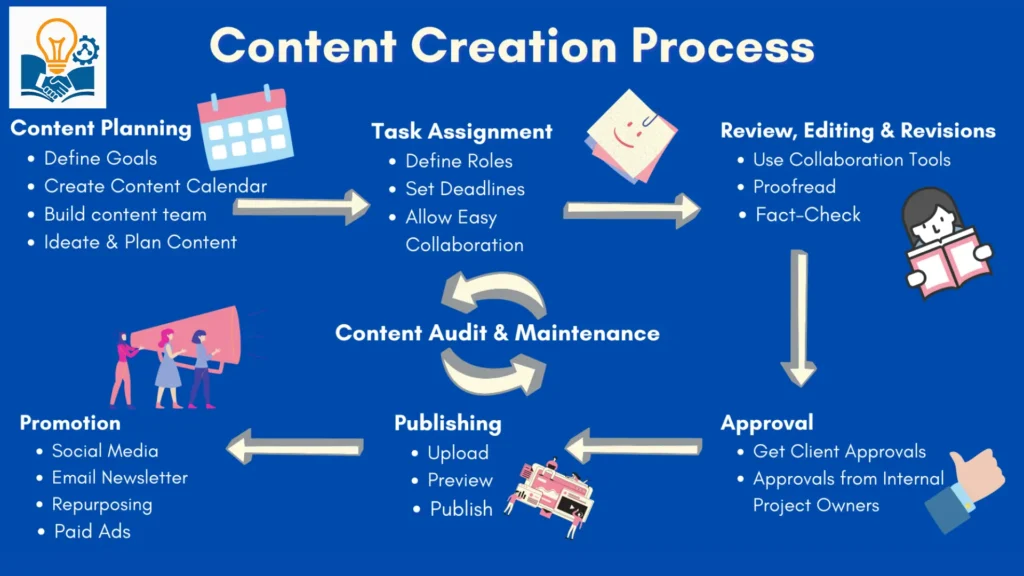
These platforms automate the entire content workflow—from ideation to publication. They identify opportunities, draft outlines, perform SEO checks, and schedule posts automatically.
A tech client once needed 12 localized landing pages. Using AI-powered automation, we generated all drafts in one day—a process that would’ve taken weeks manually.
Acrolinx: The Enterprise Brand Voice Guardian
Acrolinx ensures every piece of content across teams stays on-brand, consistent, and grammatically correct. It integrates with CMS tools, scores your writing, and offers improvement suggestions.
WordLift: The SEO Structure Builder
WordLift transforms your content into a knowledge graph by adding internal links and schema markup automatically—boosting SEO performance and visibility.
Article Forge: The Fully Automated Writer
Article Forge writes full articles from a single keyword using advanced AI models. It’s ideal for generating large volumes of content quickly, though editing is still required for quality assurance.
AI Tools for Bloggers and Marketers: The Practical Toolkit
For everyday creators, the best AI tools are affordable, easy to use, and solve real problems like ideation, SEO, and repurposing.
Surfer SEO, Grammarly, and Canva Magic Write are essential tools for writing, polishing, and designing with efficiency.
AI Video and Image Generation Tools: The Visual Revolution
AI isn’t just transforming text—it’s reshaping visuals too.
Midjourney and DALL-E 2 generate stunning images from text prompts, while Synthesia and Pictory turn scripts into videos using AI avatars. RunwayML empowers creators with professional-level visual effects and editing features.
Best AI SEO Optimization Tools
SEO-focused AI tools like Surfer SEO, Clearscope, and SEMrush’s SEO Writing Assistant help you optimize content structure, readability, and keyword usage—ensuring top search performance.
AI-Driven Social Media Content Creators
Social platforms move fast. Tools like Lately, Buffer’s AI Assistant, and Predis.ai help generate and schedule engaging posts with ease. They analyze tone, timing, and visuals to keep your content consistent and captivating.
The Future of AI in Content Creation: A Human-Centric Odyssey
Looking ahead, AI will evolve into a true creative partner—blending text, visuals, video, and sound seamlessly. But the human element will always remain essential.
AI can mimic style, but not lived experience. It can process data, but not empathy. The best AI tools give creators more time—to think, connect, and tell authentic stories.
So start small. Pick one tool that excites you—maybe Jasper for writing or Canva Magic Write for visuals—and make it part of your creative flow. Always add your personal touch; that’s the secret ingredient no AI can replicate.
Together, humans and machines aren’t competitors—they’re collaborators creating a smarter, more inspired future for content.
FAQs
What are AI content creation tools, and how do they work?
AI content creation tools use Artificial Intelligence, especially Natural Language Processing (NLP) and Machine Learning (ML), to understand context, tone, and structure. They assist writers by generating ideas, outlines, drafts, and even complete articles while maintaining human-like fluency and relevance.
Can AI completely replace human writers?
No — AI cannot replace human writers. While AI tools can help with speed, research, and structure, they lack emotional depth, creativity, and personal experience. The best results come from combining human insight with AI efficiency.
What are the best AI tools for content writing in 2025?
Some of the top-rated AI tools include Jasper, Writesonic, Copy.ai, Frase, MarketMuse, and Scalenut. Each excels in specific areas like SEO optimization, idea generation, or brand voice consistency.
Is AI-generated content good for SEO?
Yes, if used correctly. AI tools can help optimize keyword usage, readability, and structure. However, Google emphasizes “Helpful Content” and E-E-A-T (Experience, Expertise, Authoritativeness, and Trustworthiness), so human editing and fact-checking are essential for SEO success.
How do AI writing assistants help content creators?
AI writing assistants help with brainstorming, grammar correction, rephrasing, SEO optimization, and time-saving automation. They’re like digital co-writers who handle technical work so creators can focus on storytelling and strategy.
Are AI tools ethical to use for content creation?
Yes — as long as you use them responsibly. Always review, edit, and personalize AI-generated text. Avoid publishing unedited AI output, as it can contain inaccuracies or duplicate content. Ethical use means treating AI as a helper, not a replacement.
Which AI tool is best for beginners?
Copy.ai and Writesonic are great for beginners because they offer simple interfaces, free plans, and guided templates for blogs, ads, and social media posts. They’re easy to use and don’t require technical knowledge.
Can AI tools help with social media content too?
Absolutely. Tools like Lately, Predis.ai, and Buffer’s AI Assistant can generate captions, hashtags, and visuals optimized for platforms like Instagram, LinkedIn, and Twitter — saving hours of manual effort.
What are the limitations of AI-generated content?
AI lacks genuine emotion, empathy, and real-world experience. It may produce generic or inaccurate text without human review. Also, overreliance on AI can make content sound robotic or repetitive if not edited properly.
How can I combine AI with human creativity for the best results?
Use AI for idea generation, structure, and SEO optimization — then inject your personal insights, experiences, and tone. Let AI handle the heavy lifting, but let your human touch make the content relatable and authentic.