

Generative AI Technology
New AI Innovations in 2026: Breakthroughs That Will Define the Year Technology And Ai
The pace of artificial intelligence advancement has transcended hype cycle speed and entered genuine acceleration territory. What seemed impossible just eighteen months ago is today’s baseline capability, and what will seem routine by year-end 2026 is currently emerging from laboratories and research institutions. Whether you’re tracking technological advancement for professional reasons, concerned about how AI might affect your field, or simply curious about what’s coming next, understanding emerging innovations is increasingly essential literacy. The new AI innovations in 2026 aren’t just performance improvements—they represent capability jumps, new application domains, and fundamental shifts in how AI systems work. At NeoGen Info, we track these developments closely, and the innovations we’re seeing emerge suggest 2026 will be remembered as a watershed year for artificial intelligence maturation and widespread practical deployment.
REAL-TIME MULTIMODAL PROCESSING: VIDEO UNDERSTANDING AT HUMAN LEVELS

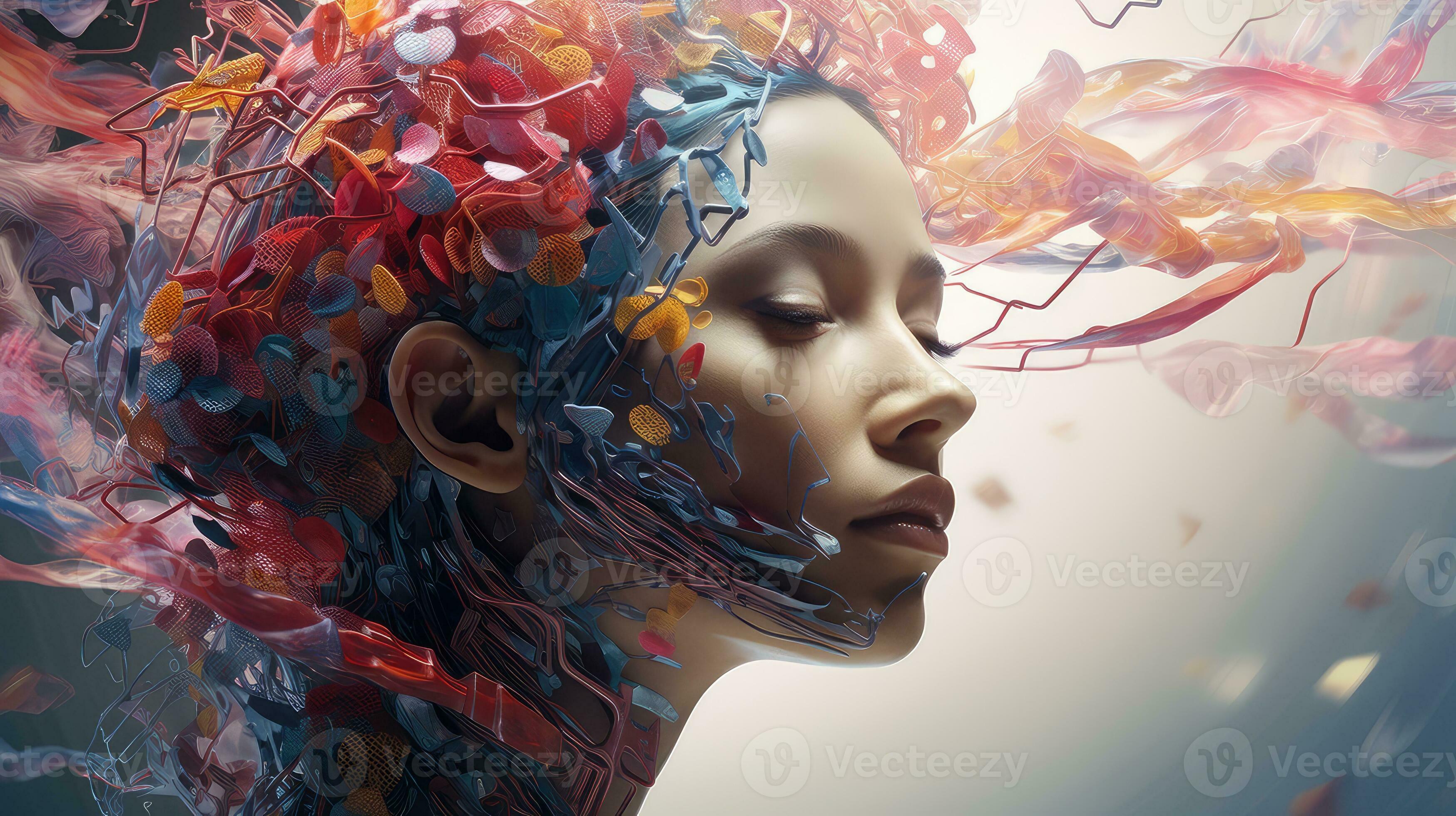
While current systems can analyze images and text, genuine video understanding—grasping narrative, emotion, context, and meaning across time—has remained largely beyond AI capability. The innovation emerging is AI systems that understand video as intuitively as humans, tracking objects and people through scenes, understanding motivations and emotional arcs, predicting what will happen next, and explaining what’s occurring in sophisticated language.
Temporal Understanding and Causality in Video

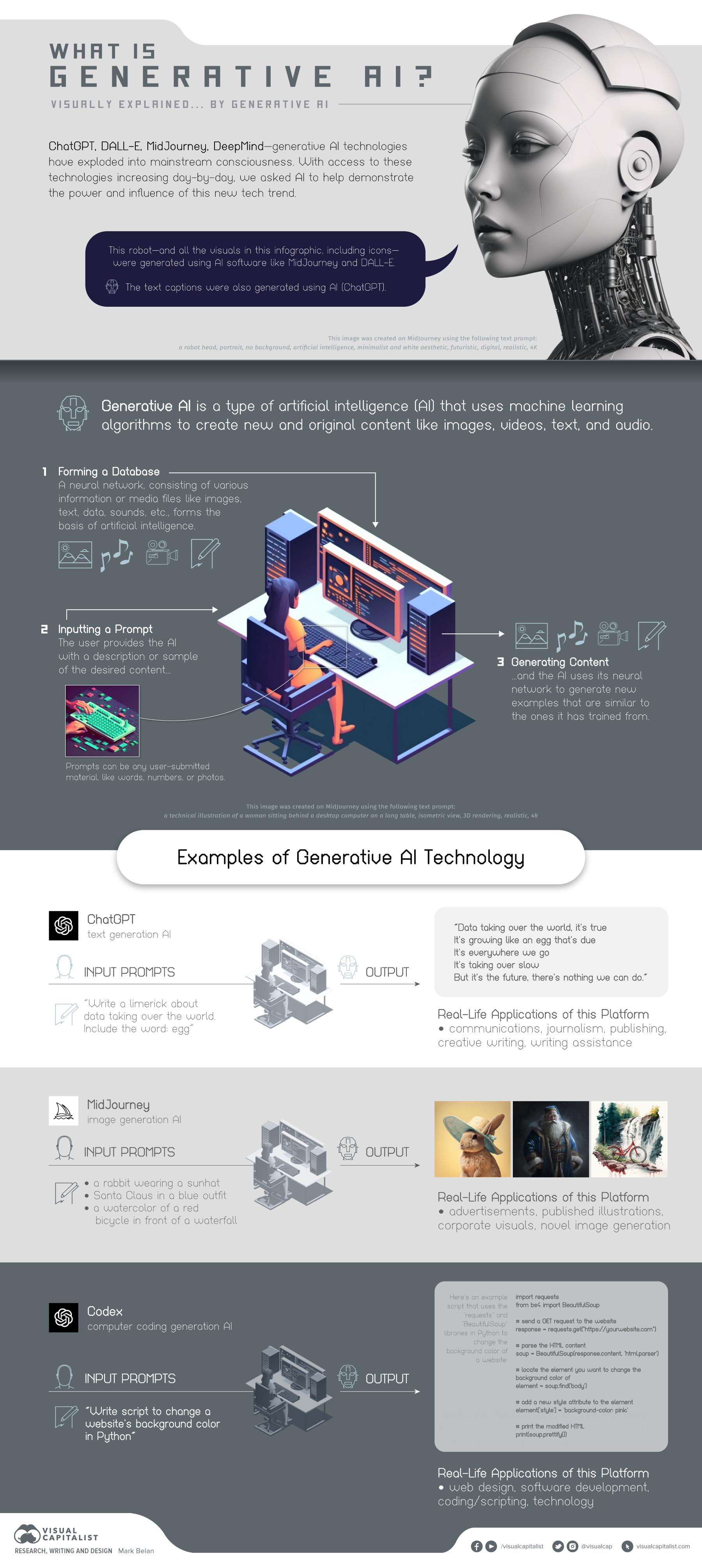
Current video analysis treats video as sequences of images; emerging innovation involves systems understanding temporal relationships: how sequences of events create causality, how time passing changes meaning, how narrative arcs develop. A system watching a video of a social interaction understands not just what people are doing but emotional trajectories: when tension builds, when understanding emerges, when relationships shift. This temporal causality understanding enables video analysis previously impossible. Security systems understand suspicious behavior development rather than just flagging individual frames. Educational systems understand learning progressions rather than isolated content. Entertainment systems understand pacing, emotional impact, and narrative structure at sophisticated levels.
Emotional and Social Understanding from Video

Breakthrough video analysis systems understand emotions conveyed through expression, gesture, and tone. They understand social dynamics: dominance, cooperation, conflict, agreement. They understand context that influences meaning: the same gesture means different things in different cultural and social contexts. A system watching a business meeting understands negotiation dynamics, identifies when participants agree or disagree, notes power relationships and influence. A system watching a medical appointment understands patient anxiety, provider empathy, communication effectiveness. The innovation is emotional intelligence emerging in AI systems analyzing social situations.
Predictive Video Analysis

Systems understanding video context can predict what’s likely to happen next. A system watching a traffic scene predicts likely accidents and can warn drivers. A system watching industrial processes predicts equipment failures. A system watching medical imaging predicts likely disease progression. This predictive capability, emerging from genuine understanding rather than pure pattern matching, enables proactive action. The innovation is prediction informed by understanding rather than statistical patterns.
EMBODIED AI SYSTEMS: AUTONOMOUS ROBOTS WITH GENUINE CAPABILITY
While robotics has existed for decades, emerging innovation involves robots with sophisticated understanding of physical environments, able to learn tasks from observation, adapt to novel situations, and handle unexpected obstacles—capabilities previously thought far distant.
Dexterous Humanoid Robots
Robots with human-level dexterity—able to manipulate objects with fine control, adapt grip strength to object fragility, and perform precise operations—are moving from research to commercial deployment. These robots handle tasks requiring both strength and precision: manufacturing, assembly, surgery, rehabilitation. The innovation is dexterity combined with adaptability: robots learning tasks from demonstration and adapting learned techniques to novel objects and situations. A robot watching a human assemble a delicate component learns the underlying principles and can assemble similar components it hasn’t seen, with appropriate caution for materials of different fragility.
Mobile Manipulation: Robots Combining Mobility and Dexterity
Innovations combining mobile platforms with manipulation capability enable robots to move through environments, identify tasks, and execute complex operations. A robot navigates an environment, identifies areas requiring attention, and performs necessary work. Warehouse robots don’t just move inventory; they identify picking tasks and execute them. Home robots help elderly or disabled residents with daily activities. Search and rescue robots navigate disaster environments, assess damage, and deliver assistance. The innovation is autonomy: robots identifying necessary work and executing it with minimal human direction.
Environmental Understanding and Adaptation
Emerging robots develop sophisticated understanding of environments, recognize obstacles and hazards, plan safe paths, and adapt when plans encounter unexpected challenges. A robot doesn’t just follow programmed paths; it understands its environment, makes decisions about optimal routes considering safety and efficiency, and adjusts when obstacles emerge. This environmental intelligence enables robots operating in complex, dynamic, unpredictable real-world environments rather than controlled laboratory settings.
AUTONOMOUS SCIENTIFIC RESEARCH SYSTEMS
The innovation of systems that autonomously design experiments, conduct them, analyze results, and generate new research hypotheses is moving from speculative to practical reality.
Hypothesis Generation and Testing
Autonomous research systems generate hypotheses based on existing literature and observations, design experiments to test hypotheses, conduct experiments (either digitally or in robotic laboratory systems), analyze results, and generate new hypotheses informed by findings. A system studying materials science generates hypotheses about promising new materials, designs experiments testing those hypotheses, conducts computational or physical experiments, and iterates toward discovering materials with desired properties. The innovation is complete research cycles conducted autonomously, with human researchers directing overall research strategy and validating conclusions.
Literature Integration
AI systems integrating across scientific literature—understanding relationships between studies, identifying contradictions, synthesizing findings—augment human researchers’ capabilities dramatically. A system analyzing thousands of papers on a research topic identifies patterns, highlights contradictions, and suggests areas where additional research would resolve inconsistencies. Researchers achieve comprehensive literature understanding previously requiring months of reading in days. The innovation is research acceleration through AI-enabled literature synthesis.
PERSONALIZED MEDICINE: AI TAILORING TREATMENT TO INDIVIDUALS
Medical innovation increasingly focuses on personalization: treatments optimized to individual patients based on their unique genetic, molecular, and clinical profiles.
Genomic Medicine at Scale
AI systems analyzing individual genomes identify disease susceptibilities, predict treatment responses, and recommend personalized prevention and treatment strategies. A patient receives genetic testing; AI analyzes their genome, identifies risks, and recommends personalized prevention strategies. A cancer patient’s tumor is genotyped; AI identifies mutations and recommends targeted treatments likely to work against those specific mutations. The innovation is medicine becoming increasingly individualized and molecular rather than one-size-fits-all.
Multi-omics Integration
Advanced systems integrate genomics, proteomics, metabolomics, and other biological data streams, understanding how they interact to influence disease and health. A patient’s complete biological profile—genes, proteins, metabolites, microbiome, immune status—informs treatment. The innovation is understanding human biology at unprecedented depth and personalization at corresponding sophistication.
AUTONOMOUS SUPPLY CHAIN MANAGEMENT
Emerging AI innovations enable supply chains managing themselves: predicting demand, optimizing production and distribution, identifying disruptions before they occur, and automatically adjusting without human intervention.
Demand Forecasting and Inventory Optimization
AI systems analyzing sales patterns, seasonal trends, economic indicators, and real-time data predict demand at regional and product levels. Inventory systems automatically adjust stock levels, ordering before stockouts occur, and avoiding excess inventory tying up capital. The innovation is inventory management becoming proactive and optimized, reducing stockouts and waste while improving capital efficiency.
Supply Chain Visibility and Disruption Prediction
Systems tracking shipments, supplier status, and logistical factors predict disruptions before they occur: port congestion, supplier capacity constraints, transportation delays. Supply chains adjust proactively: redirecting shipments, shifting suppliers, or timing differently. The innovation is supply chains becoming resilient and self-correcting rather than reactive to disruptions.
MULTIMODAL AI AGENTS: SYSTEMS THAT UNDERSTAND AND ACT
The convergence of multimodal understanding (seeing, hearing, reading), reasoning (planning, problem-solving), and agency (autonomous action) creates systems capable of sophisticated real-world work.
Autonomous Knowledge Work
AI agents autonomous enough to conduct research, write reports, and present findings autonomously. Given a research question, agents search literature, synthesize findings, identify gaps, and generate comprehensive reports. The innovation is knowledge work automation: humans directing overall strategy while agents handle research and synthesis work.
Autonomous Customer Service
AI agents understanding customer needs from voice, text, or visual information, reasoning about solutions, and taking action autonomously. Complex customer issues get resolved without human escalation. Simple issues resolve instantly. Customers requiring human contact get connected to appropriate specialists with full context already established. The innovation is customer service becoming more responsive and efficient while improving customer experience.
QUANTUM-INSPIRED AI: HYBRID CLASSICAL-QUANTUM SYSTEMS
While true large-scale quantum computing remains years distant, emerging innovations leverage quantum-inspired algorithms and hybrid systems combining classical and quantum processing.
Optimization Advantages
Quantum-inspired algorithms tackle optimization problems beyond classical capabilities. Portfolio optimization, molecular design, and complex logistics become solvable at scales previously intractable. The innovation is access to solutions previously computationally infeasible.
NEUROMORPHIC AI: BRAIN-INSPIRED ARCHITECTURES
Rather than replicating biological brains precisely, neuromorphic computing adopts brain principles: distributed processing, event-driven computation, energy efficiency. These systems operate at extreme efficiency while maintaining sophisticated capabilities.
Energy-Efficient Computation
Neuromorphic systems consume fractions of the energy classical AI systems require. A neuromorphic system running on a smartphone achieves capabilities classical systems require server farms to deliver. The innovation is AI capabilities scaled to edge devices, enabling local processing without cloud transmission and reducing privacy concerns.
ETHICAL AI AND SAFETY INNOVATIONS
As AI systems become more autonomous and influential, innovations ensuring systems remain safe, beneficial, and aligned with human values become increasingly important.
Interpretability Breakthroughs
Systems that provide clear explanations of their reasoning become trustworthy enough for high-stakes decisions. Rather than black-box systems providing answers without explanation, emerging systems show their work: what information influenced decisions, what reasoning paths were considered, why certain decisions were preferred. The innovation is accountability: AI systems you can actually understand and justify.
Value Learning Systems
Rather than optimizing narrow metrics, systems learn complex human values and balance multiple sometimes-contradictory objectives. A system optimizing business strategy understands it should balance profit with employee wellbeing, community impact, and sustainability rather than maximizing profit at all costs. The innovation is AI systems developing something approaching wisdom: understanding that optimizing single dimensions creates problems elsewhere.
BRAIN-COMPUTER INTERFACES: NEURAL AUGMENTATION
While still in early stages, emerging innovations in brain-computer interfaces enable direct neural-AI integration: thoughts translated to text or control signals, sensory information conveyed directly to neural tissue.
Neural Text Generation
Users with paralysis think sentences, and interfaces translate thoughts to text. Locked-in syndrome patients regain communication capability. The innovation is disabled individuals regaining agency and communication.
CASE STUDY: INTEGRATED INNOVATION IN HEALTHCARE
Consider how multiple 2026 innovations converge in a healthcare application: A patient seeks medical evaluation. They’re examined by a humanoid robot with AI understanding what it observes. Video analysis of the patient interaction captures subtle emotional and physical cues. The patient’s genome is analyzed using quantum-inspired optimization. The AI system integrates genomic data, imaging, clinical history, and all existing medical literature, recommending personalized treatment. An autonomous research system identifies a novel treatment promising for this patient’s specific molecular profile. The treatment is synthesized by automated systems. Throughout, the AI system explains its reasoning, identifying what information drove decisions and alternative approaches considered. The convergence of innovations enables medicine dramatically more precise, personalized, and effective than was possible a year prior.
THE INTEGRATION IMPERATIVE
The true innovation of 2026 isn’t any single breakthrough but their integration: multimodal understanding combined with embodied robotics, autonomous research, quantum-inspired optimization, ethical safeguards, and human oversight creates AI systems qualitatively different from previous generations. These integrated systems don’t just assist specific tasks; they augment human capability across domains and interact with the physical world in sophisticated ways.
WORKFORCE TRANSFORMATION CONTINUING
These innovations accelerate workforce transformation. Routine knowledge work, manufacturing work, service work increasingly automates. Simultaneously, new work emerges: developing and training AI systems, ensuring ethical deployment, creating content AI uses, and addressing challenges AI creates. The imperative for individuals: develop skills complementing AI rather than competing with it—strategy, creativity, human connection, ethical judgment, and leadership become increasingly valuable.
New AI innovations in 2026 represent continued acceleration toward AI systems more capable, more autonomous, more integrated into every domain of human activity. The imperative for organizations and individuals: engage thoughtfully with these innovations, maintain human oversight where it matters, and ensure AI development and deployment serves broadly human interests rather than narrow advantages.
📚 Further Reading: Learn more about Generative AI Technology on CNET